What is eMMC – Definition and Evolution
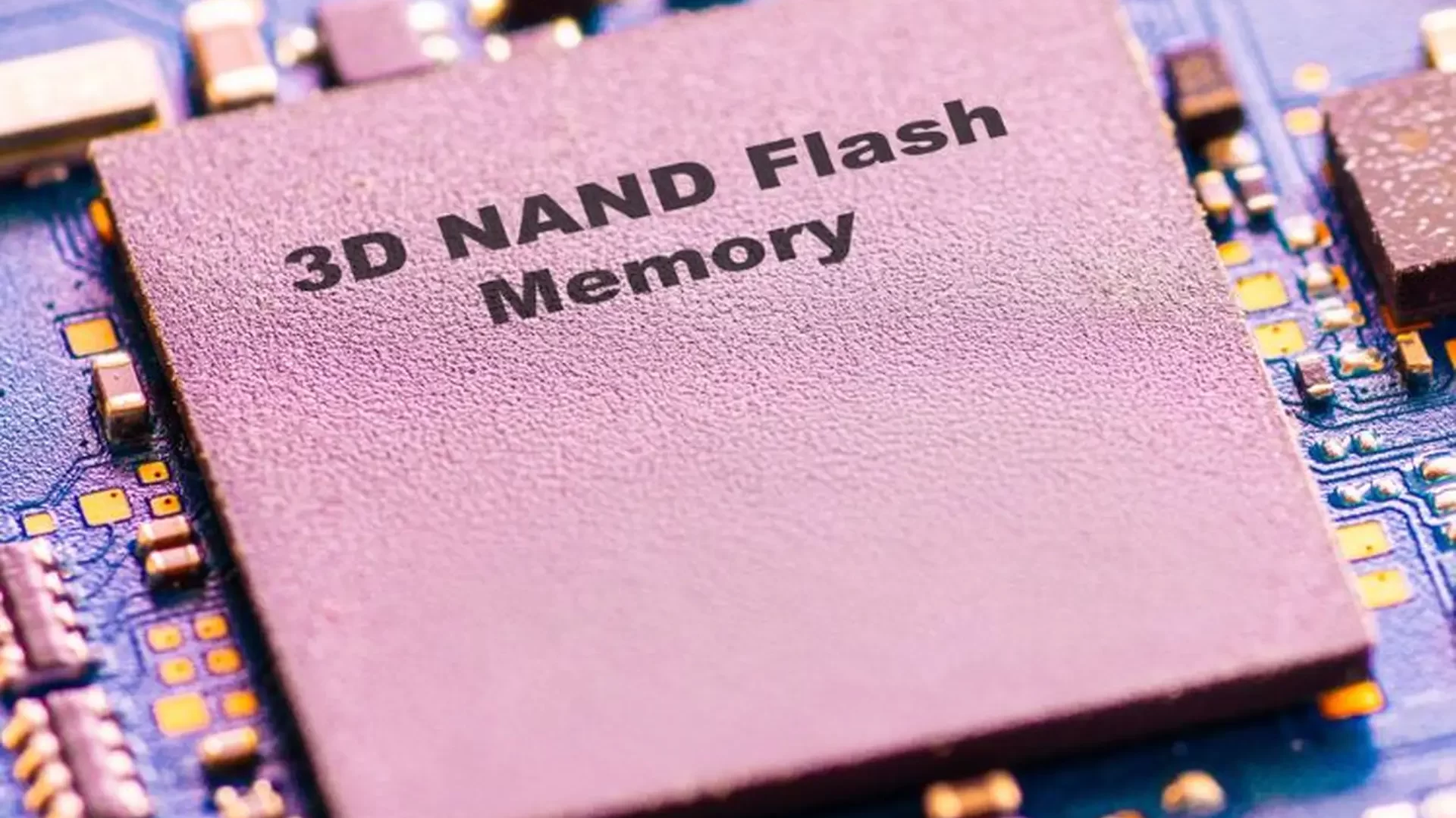
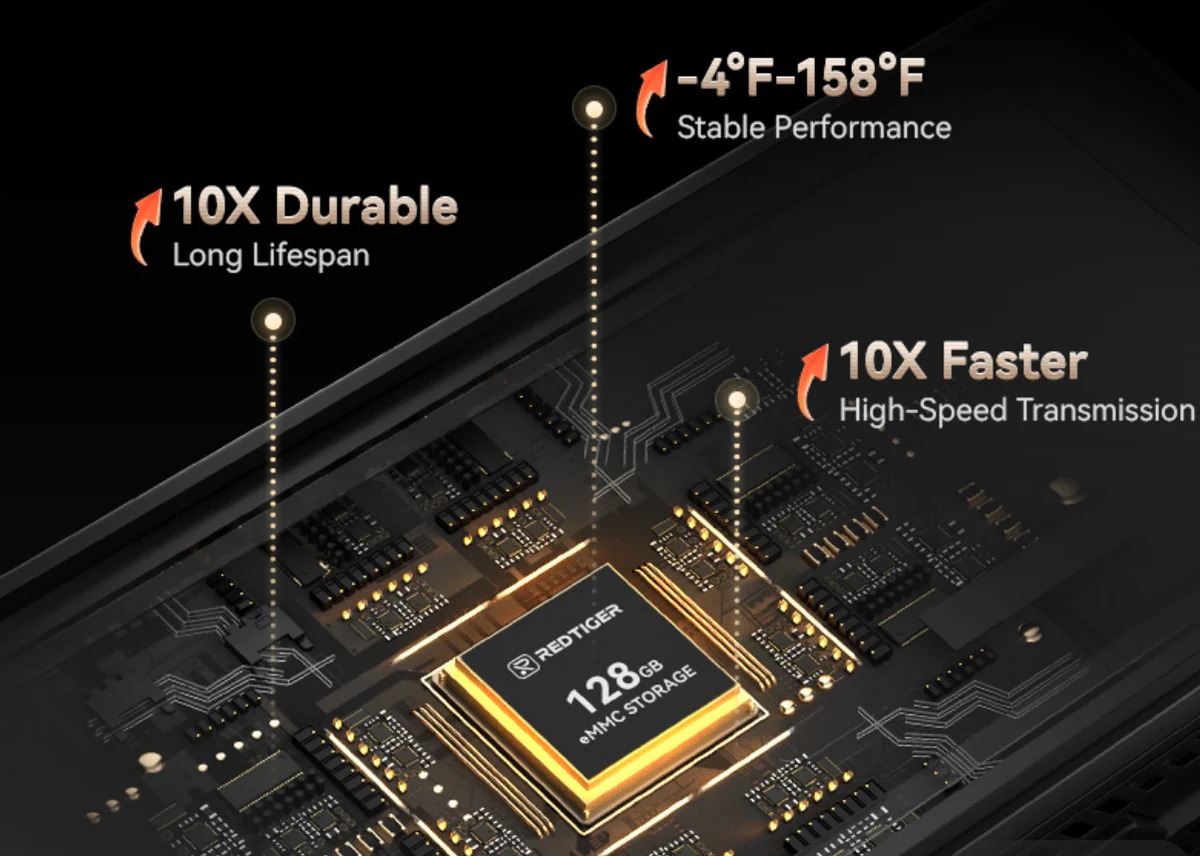
eMMC (embedded MultiMediaCard) is a type of embedded flash storage that integrates NAND flash memory and a controller into a single package. It is widely used in smartphones, IoT devices, and embedded systems.
When asking what is eMMC, it is important to understand that it is designed for simplicity, cost efficiency, and ease of integration.
Key characteristics:
- Integrated storage solution (controller + NAND)
- Simplified interface to host processor
- Lower cost compared to advanced storage solutions
Evolution of eMMC:
- eMMC 4.5 → improved reliability
- eMMC 5.0 → higher speed and features
- eMMC 5.1 → command queue and performance boost
Despite newer technologies like UFS, eMMC remains relevant in cost-sensitive and industrial applications.
eMMC Architecture and Interface with Processors
To fully understand what is eMMC, we need to examine its internal architecture.
Core components:
- NAND Flash Memory – data storage
- Controller – manages data flow
- Firmware – handles wear leveling and ECC
Interface characteristics:
- Parallel interface
- Lower complexity compared to UFS
- Easy integration with microcontrollers and SoCs
Advantages:
- Simplified PCB design
- Lower development cost
- Stable and mature ecosystem
eMMC Versions: 4.5 vs 5.0 vs 5.1
Different versions of eMMC offer varying performance levels.
| Version | Max Speed | Key Features |
|---|---|---|
| eMMC 4.5 | ~200 MB/s | Basic performance |
| eMMC 5.0 | ~400 MB/s | Improved bandwidth |
| eMMC 5.1 | ~600 MB/s | Command queue, better efficiency |
Why eMMC 5.1 matters:
- Enhanced multitasking performance
- Better data throughput
- Widely adopted in modern embedded systems
What is UFS and How Does It Differ from eMMC?
UFS (Universal Flash Storage) is a newer storage technology designed for higher performance and efficiency.
Unlike eMMC, UFS uses a serial interface and supports full-duplex communication, allowing simultaneous read and write operations.
Key advantages of UFS:
- Much higher speed
- Lower latency
- Better power efficiency
- Scalable for high-performance applications
eMMC vs UFS Comparison Table (Featured Snippet Target)
| Feature | eMMC 5.1 | UFS 3.1 | UFS 4.0 |
|---|---|---|---|
| Interface | Parallel | Serial | Serial |
| Max Speed | ~600 MB/s | ~2,100 MB/s | 4,000+ MB/s |
| Duplex | Half-duplex | Full-duplex | Full-duplex |
| Power Efficiency | Moderate | Better | Best |
| Cost | Low | Medium | Higher |
| Use Case | IoT, embedded | Smartphones | Flagship devices |
This comparison highlights why UFS is replacing eMMC in high-performance devices.
Real-World Applications
Understanding what is eMMC also requires looking at real use cases.
eMMC Applications:
- IoT gateways
- Industrial HMI systems
- Entry-level smartphones
- Embedded controllers
UFS Applications:
- High-end smartphones
- AI-enabled devices
- Automotive infotainment systems
Key insight:
- eMMC = cost efficiency + stability
- UFS = performance + scalability
How to Choose eMMC or UFS for Hardware Design
Choosing between eMMC and UFS depends on your project requirements.
Step 1: Define performance needs
- Low to moderate → eMMC
- High-performance → UFS
Step 2: Evaluate cost constraints
- Budget-sensitive → eMMC
- Premium product → UFS
Step 3: Consider power consumption
- IoT devices → eMMC
- Mobile/AI → UFS
Step 4: Check system compatibility
- MCU/SoC support
- PCB complexity
Step 5: Lifecycle and reliability
- Industrial → eMMC preferred
- High-end consumer → UFS
Frequently Asked Questions (FAQ)
What is eMMC used for?
eMMC is used in embedded systems, IoT devices, and entry-level smartphones for cost-effective storage.
Is UFS better than eMMC?
Yes, UFS offers higher performance and efficiency, but at a higher cost.
Can eMMC be replaced with UFS?
Not directly, as they use different interfaces and design requirements.
Which is better for IoT: eMMC or UFS?
eMMC is typically better due to cost efficiency and simpler integration.
Conclusion
Now that you understand what is eMMC, its architecture, and how it compares to UFS, you can make informed decisions for your embedded and hardware design projects.
While UFS leads in performance, eMMC remains a reliable and cost-effective solution for IoT and industrial applications.
At Pionix, we provide tailored embedded storage solutions—from eMMC to UFS—optimized for your design, performance, and cost requirements.
👉 Connect us today to choose the right embedded storage solution for your next project.